Missouri Gov. Mike Kehoe has ordered state-funded law-enforcement agencies to delete most automated license-plate-reader data within 30 days, prohibit commercial use of the records and document every database search.
Executive Order 26-18, signed Wednesday and effective immediately, applies to state agencies and local law-enforcement entities that receive state funding and use automated license plate readers, or ALPRs. The restrictions remain in place until lawmakers enact a permanent framework or the order is amended or rescinded.
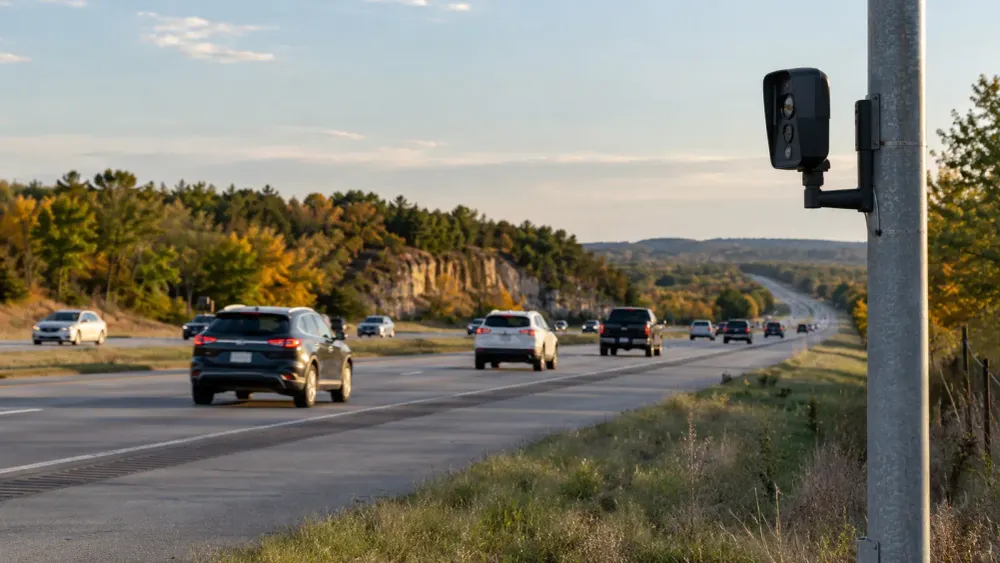
ALPR cameras photograph passing vehicles and record plate numbers, vehicle characteristics, location and time. Police use those records to develop leads, recover stolen vehicles and locate missing or endangered people. The order allows data to remain beyond 30 days only when it is directly tied to an active criminal investigation, a life-safety emergency such as an Amber or Silver Alert, or a court order.
Searches must carry a case justification
The order requires every query to record the user's identity and an active case number or other specific law-enforcement justification. It limits access to criminal-justice administration and bona fide lifesaving purposes, bars non-criminal additions to vehicle “hot lists,” and prohibits combining ALPR systems with artificial-intelligence facial recognition.
Vendors must certify that records will be deleted on schedule and may not sell, share, commercialize or otherwise use Missouri-generated data for non-law-enforcement purposes. The government agency that collected the information retains ownership. Personal use, stalking or unauthorized sharing must trigger disciplinary proceedings, a criminal referral when appropriate and a report to the Department of Public Safety for possible officer-license discipline.
The governor's announcement describes the order as an attempt to preserve an investigative tool while preventing indefinite tracking of law-abiding motorists. It directs the Department of Public Safety to issue best-practice guidance within 10 days and work with police, sheriffs, prosecutors and the attorney general on legislation that would codify the safeguards and create a specific ALPR-misuse offense.
Recent misuse intensified scrutiny
The statewide action follows a Missouri case that exposed weaknesses in local controls. In August, the St. Charles County Police Department stopped using Flock license-plate readers after an audit found that a civilian employee had conducted searches for a personal, non-law-enforcement purpose. The department suspended the employee's access, referred the matter for an outside criminal investigation and restricted access to historical data from other vendors.
Missouri sheriffs have supported retention limits and penalties while arguing the cameras remain useful. In an August interview with Missourinet, Missouri Sheriffs' Association President Matt Oller backed stronger controls over vendor access and misuse.
The order does not cover every privately operated camera or every local agency regardless of funding. Local governments outside its direct reach are encouraged to adopt the standards voluntarily where contracts and law allow. That limitation makes the promised legislation significant: a statute could define statewide coverage, enforcement and remedies beyond the executive branch's funding authority.