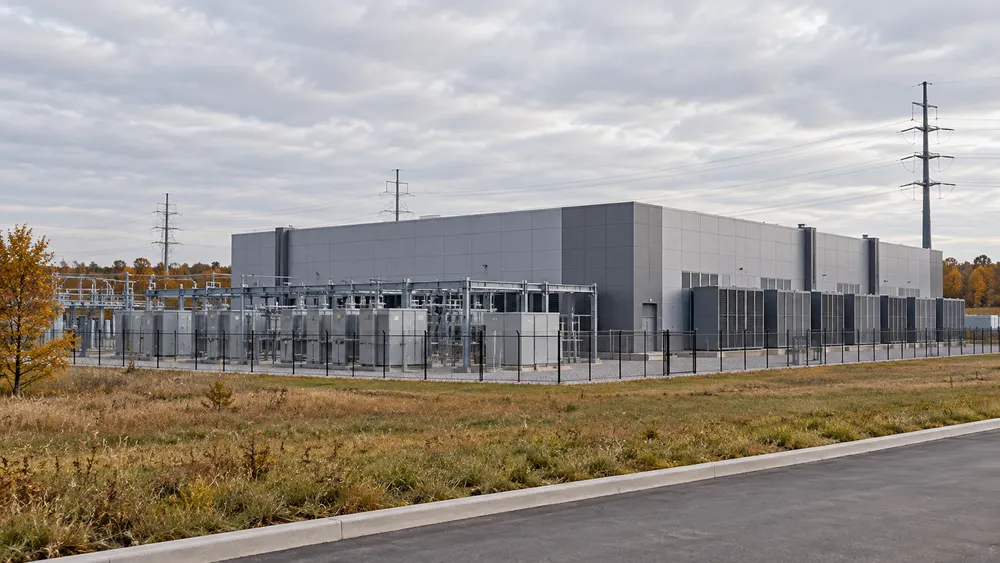
Illinois is heading toward its fall veto session with data-center regulation still under negotiation and new state incentive applications paused. Gov. JB Pritzker said October 15 that disagreements remain but expressed hope lawmakers could pass a bill, according to separate reports from The Center Square and the Chicago Tribune, republished by the Daily Herald. His comments signal continued talks, not an enacted agreement.
The immediate policy is narrower than a construction ban. The Illinois Department of Commerce and Economic Opportunity’s program notice says it stopped processing data-center incentive applications July 1 under Pritzker’s June directive. The governor’s announcement says existing agreements, including those entered before July 1, will be honored. The pause therefore should not be described as cancellation of all existing benefits or a statewide prohibition on building facilities. DCEO describes the underlying program as offering qualifying operators state and local tax exemptions, plus a construction-wage credit for projects in underserved areas. That makes incentive eligibility distinct from a project’s other approvals.
Who would pay for growth?
Pritzker’s published framework proposes assigning data centers the electricity-grid and water-system costs they impose, establishing efficiency requirements and having operators generate or pay for their own clean energy. It also proposes interruptible electric service tied to self-supplied clean power, with the stated aim of protecting other customers during grid strain. Those remain policy proposals; they do not establish a verified reduction in any household’s bill.
October reporting identifies House Bill 5513 and Senate Bill 4016 as the POWER Act measures around which discussions have developed. Rep. Ann Williams, a House co-sponsor, said the package would provide a foundation for further talks. The governor’s framework also calls for public reporting of energy and water use, permit notices, community-benefits agreements and a ban on nondisclosure agreements with local governments.
The disagreement extends beyond whether large energy users should contribute toward infrastructure. The Illinois State Association of Counties’ session analysis supports the proposal’s data-center protections for communities and ratepayers, but opposes the bill unless concerns about mandates and restrictions on local authority are addressed. The association says those provisions could affect land-use decisions, administration and county costs. That is its stated position, not a finding that every county would face the same impact.
What to watch next
The General Assembly is scheduled to return November 17–19 and December 1–3, dates listed by the counties’ association and in the Tribune’s reporting. The next consequential development would be negotiated legislative language and action by lawmakers, rather than another statement of intent.
For prospective projects and host communities, the distinction is practical: DCEO’s existing application pause governs incentive processing now, while the governor’s proposed safeguards describe what a future framework could require. Until lawmakers resolve the disputed terms, neither passage nor a particular cost-saving outcome can be assumed.