Western Alaska is approaching another winter with housing repairs and support for displaced families still unfinished a year after ex-Typhoon Halong. Recent KYUK reporting on Kipnuk describes crews working to make homes habitable, while the Alaska Community Foundation’s October 9 account says families remain displaced and case managers continue helping them find housing and services.
The continuing work is a state-level recovery challenge, not simply a question of replacing individual buildings. The Alaska Department of Transportation and Public Facilities’ recovery record documents housing work alongside boardwalks, power connections and material deliveries across affected communities. KYUK’s regional October reporting likewise describes how damaged housing and access networks continue to affect village life.
Repairs do not mean recovery is complete
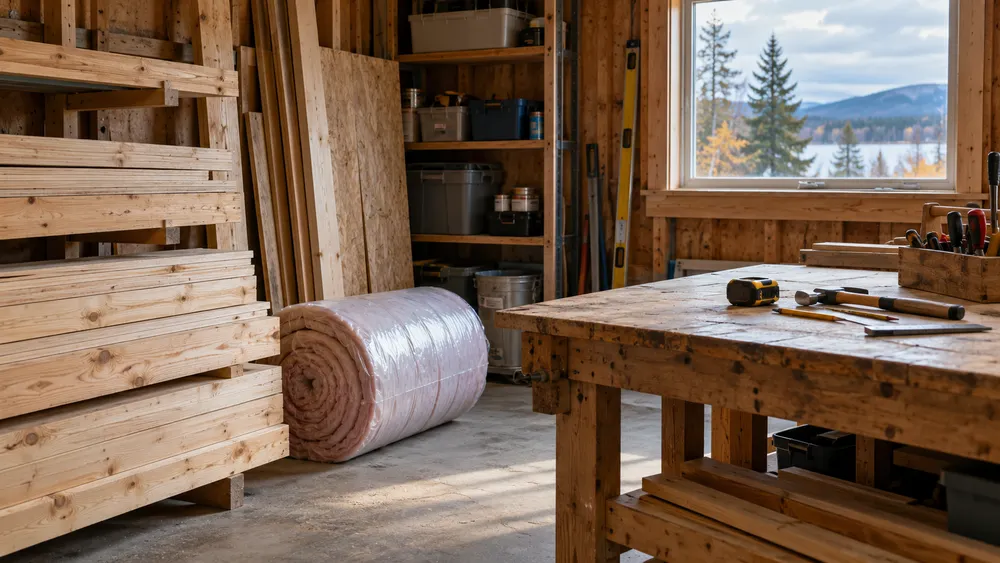
In an April 10 update, DOT reported more than 220 homes substantially complete, more than 150 in progress and over 85 moved back into place. Those are the department’s historical figures, not an October count of habitable homes or returning residents. Its record also described continuing work on insulation, heating equipment, water lines and structural repairs. A single construction milestone cannot establish that every service a household needs has been restored.
The newer Kipnuk account shows that distinction: repairs and winterization continue even as some residents have returned and others remain elsewhere. The community foundation separately emphasizes continuing displacement. These accounts support a narrower conclusion than declaring the region rebuilt: recovery has made progress, but families’ ability and decisions to return remain uneven.
Public and community support continue
The foundation reports that more than 21,000 donors supported its Western Alaska Disaster Relief Fund. In its own account of the response, it describes regional advisers recommending where funds went and assistance that included clothing and winter gear for displaced students. Those are the foundation’s reported activities, not an independently audited total of all recovery spending. They illustrate a support effort extending beyond contractors’ work on buildings.
For residents seeking help, the Department of Labor’s Western Alaska relief page, updated October 5, lists a contact process for employment and training services. It says a National Dislocated Worker Grant may support cleanup-related training, a new career, relocation for employment and related services. The page also lists household winterization and debris-removal assistance, with questions directed to 907-428-7097 or dhsem.publicassistance@alaska.gov. Eligibility and availability require confirmation with the responsible agency.
The same Labor Department resource identifies the Alaska Job Center Network as a route to resume help, interview assistance and career exploration, with a statewide number of 877-724-2539. Requesting contact is a way to begin an assessment, not a guarantee of a grant award or job placement.
Communities can consult DOT’s community-update page for infrastructure, water, sanitation and recovery resources. The practical issue this fall is whether construction progress translates into dependable housing and access before winter conditions constrain work further. The state’s records and current reporting show why those outcomes need to be tracked separately.